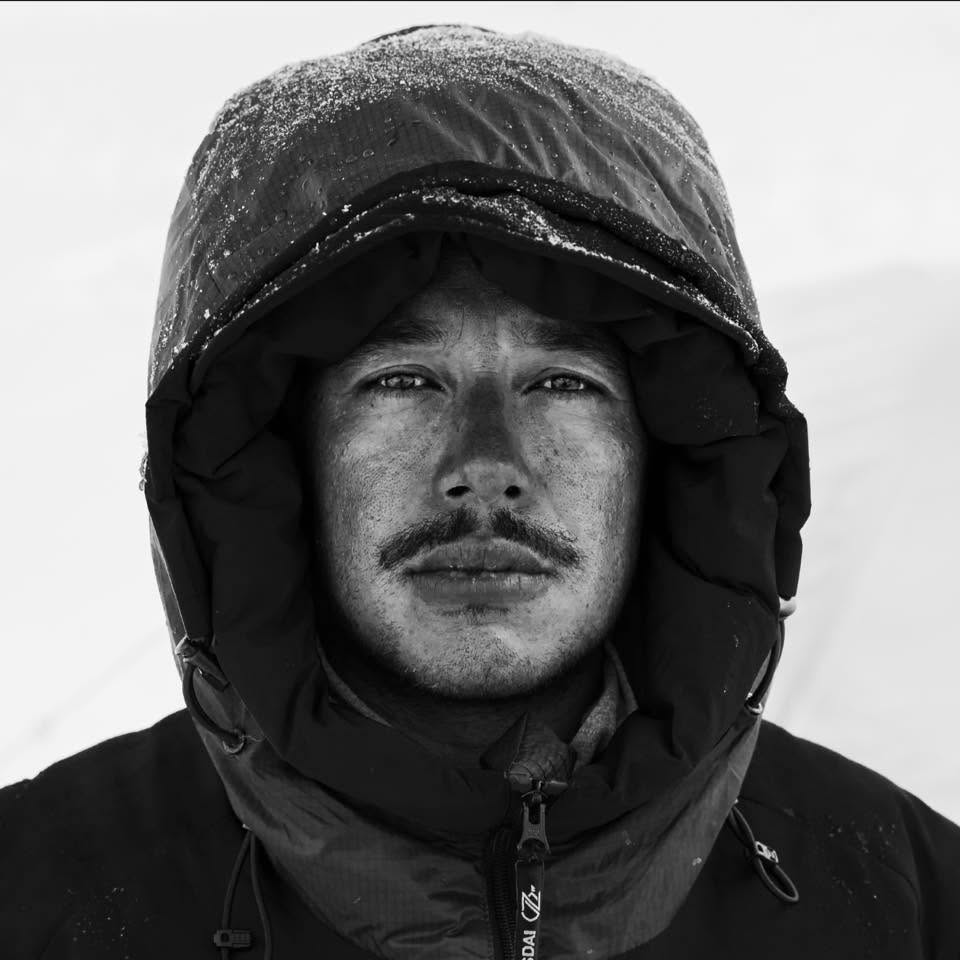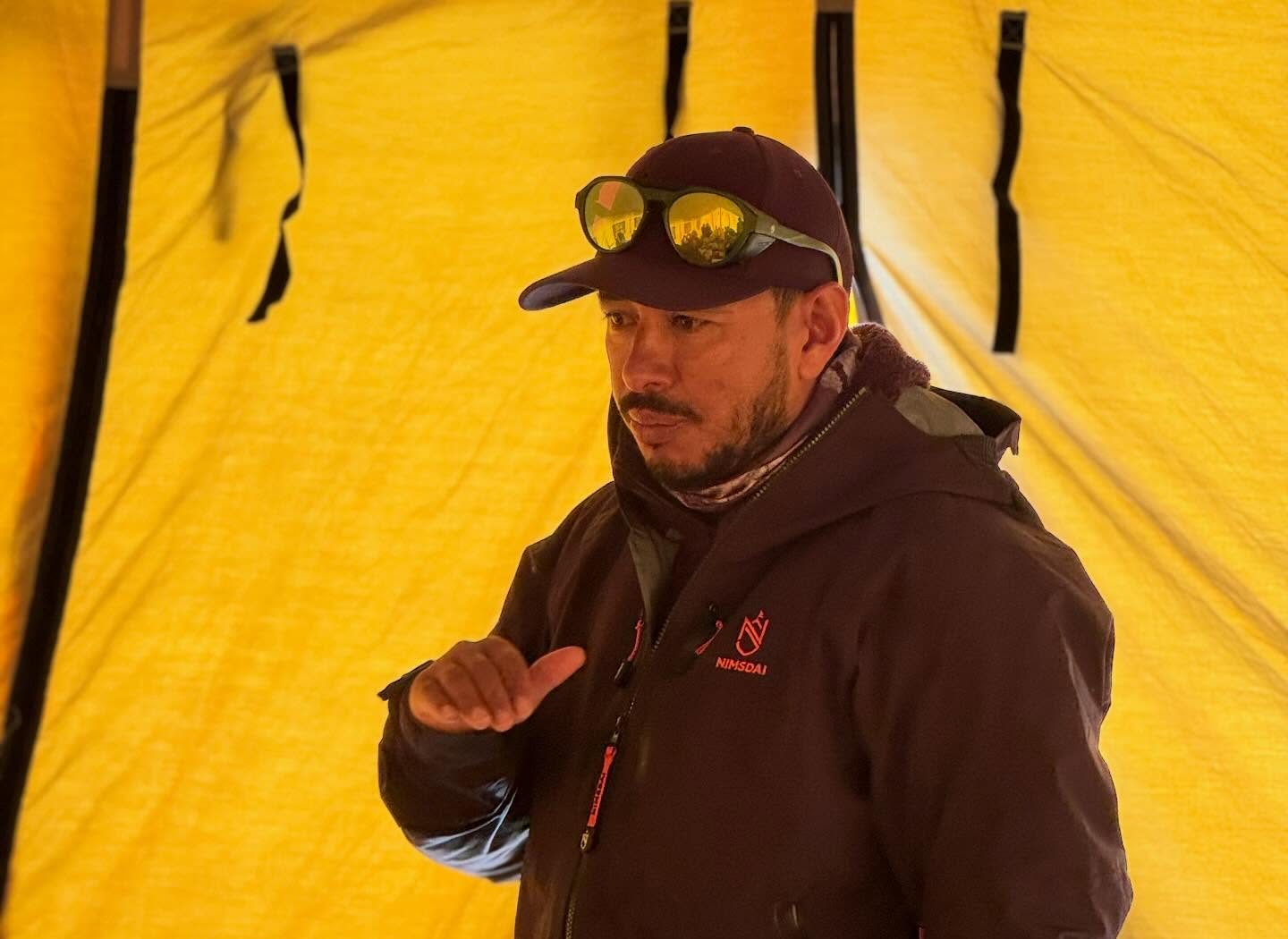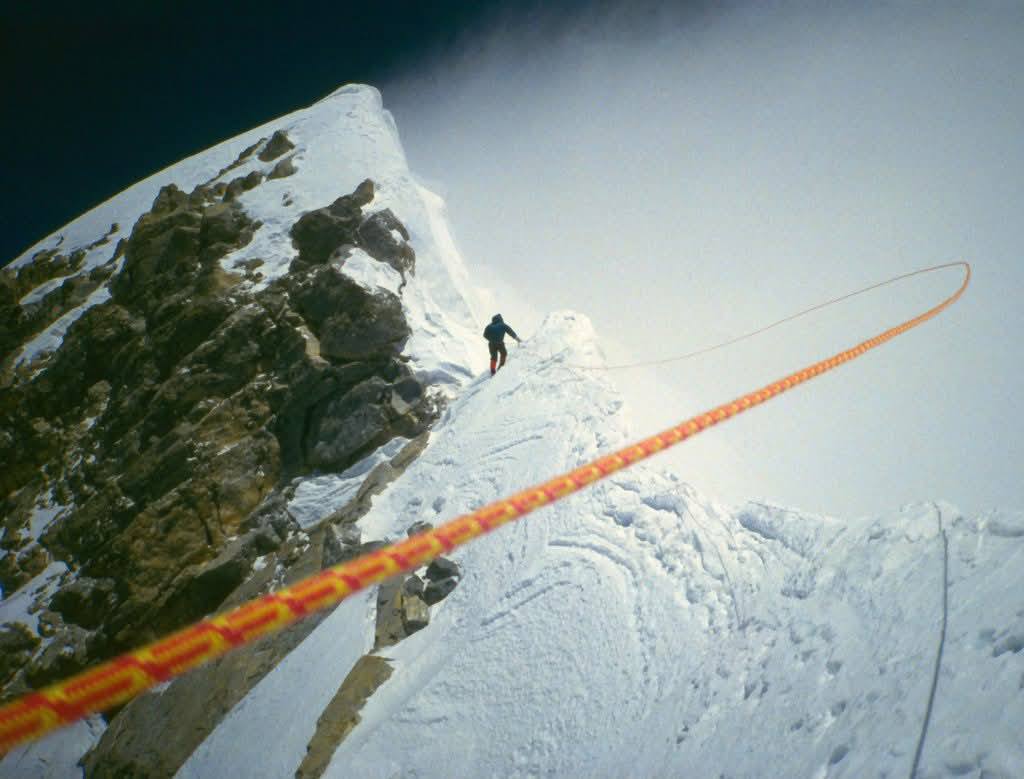

My connection with Tenzing Norgay began long before I truly understood Everest. When I was in primary school, I once took part in a quiz competition as the leader of my team. One of the questions was simple: “Who was the first person to climb Mount Everest?” Without hesitation, I answered, “Tenzing Norgay.” My answer was disqualified. The reason was something I did not understand at the time: Edmund Hillary had reached the summit together with Tenzing. Until then, I had barely heard Hillary’s name. I went home confused and began asking my father questions. If Tenzing and Hillary climbed Everest together, how could one be called first? Where was Tenzing now? What happened to him after Everest?
I was a child of the 1990s, growing up at a time when information was not available at our fingertips. My father answered with what he knew and what he himself had heard: Tenzing had already died, he had lived in India, and Darjeeling preserved many memories connected with his life and mountaineering legacy. Those childhood conversations stayed somewhere in my mind. As I grew older, mountains became much more than distant white summits to me. I became increasingly fascinated by mountaineering history, the people, expeditions, successes, tragedies and stories hidden behind famous photographs. By the early 2010s, learning about Himalayan history had become one of my strongest personal interests.
Looking back, I realise how much social media changed that journey. Information that had once been difficult to find suddenly became accessible. Old photographs appeared, expedition stories surfaced, and climbers and their families could be contacted directly. Through that new world, I was fortunate enough to connect with members of Tenzing Norgay’s own family. One of those connections eventually led me, unknowingly, toward the film I am writing about today.
In 2015, Tenzing’s elder son, Norbu, told me, “Bhai, there is a documentary called Sherpa, directed by Jennifer Peedom. It is being shown at KIMFF. Go and watch it.” Until then, I rarely went to cinemas. I had always thought of movies as largely fictional, stories created for entertainment rather than something through which I could seriously engage with mountaineering history. Sherpa changed that. I went to Kumari Cinema in Kamalpokhari and watched Jennifer Peedom’s documentary on the aftermath of the 2014 Everest avalanche and the deeper realities surrounding Sherpa climbers on the mountain. The subject was already deeply personal to me. When the 2014 avalanche struck Everest, I had followed events intensely and was among those sharing news of the disaster with the outside world as information began emerging from the mountain. Watching that world appear on a cinema screen was completely different from reading reports or looking at photographs.
Years passed, and from time to time reports appeared about a feature film based on Tenzing’s life. At one stage, there was news of a project associated with Barack and Michelle Obama’s Higher Ground Productions. Later, Apple became connected with a new production. Each time Tenzing’s name appeared in entertainment news, I followed it closely. Then, in early 2025, something suddenly made the project feel real. News emerged that Tom Hiddleston was in Nepal to film Tenzing, and photographs of filming of Tenzing from Patan Durbar Square began circulating in the media. A story I had first encountered through a childhood quiz question was now being recreated for a major international film.
More than a year later, as the film finally began moving toward its premiere, an Instagram message appeared on my phone. It was from Tenzing’s youngest son, Dhamey. He wrote to ask whether I would be interested in attending the Kathmandu screening and said he would try to arrange a ticket for me. For a moment, I simply looked at the message. Of course I wanted to go. I replied that it would be an honour to attend and asked him, if possible, to kindly arrange a ticket. Dhamey soon responded again, telling me that the limited premiere was expected to take place on 28 September and asking for my email address so that he could forward it to the organisers.
A couple of days later, an invitation arrived in my inbox. See-Saw Films invited me to a special screening of Tenzing, while the British Embassy in Kathmandu invited for a reception following the premiere. The date was confirmed: 28 September 2026. There was only one problem, I was in Biratnagar. So, I arranged a ticket to Kathmandu for 26 September. In a very literal sense, I travelled across the country just to watch a film. But to me, this was never going to be just and ordinary movie. It was a film about the man whose name I had confidently answered in a childhood quiz competition decades earlier, the answer that had once been marked wrong, but which had opened a question in my mind that never completely disappeared.
On the afternoon of 28 September, I arrived at QFX Civil Mall in Sundhara at around 3:00 PM. As I walked into the cinema, I carried with me that childhood question, years of reading about Everest, my connection with Tenzing’s family, memories of watching Sherpa, and more than a decade of following Himalayan history. Now, finally, I was about to watch Tenzing Norgay’s life unfold on the big screen.
When the lights went down and Tenzing began, I knew I was not watching it as an ordinary moviegoer. I had followed Tenzing Norgay’s life and Everest history for years, spoken sometimes with members of his family, and carried his story with me since childhood. What I wanted as many was not simply another film about the first ascent of Everest, but a story that finally placed Tenzing himself at the centre. In that respect, Jennifer Peedom’s film succeeds beautifully. Genden Phuntsok brings dignity to Tenzing, while Tom Hiddleston portrays Edmund Hillary not as a rival, but as the climbing partner with whom Tenzing shared one of mountaineering’s greatest achievements. Caitríona Balfe, William Dafoe, Thinley Lhamo and the wider cast also contribute strongly, helping the film feel human rather than overly theatrical.
There is no doubt that an enormous amount of work went into recreating the world of 1950s Himalayan climbing. The costumes, boots, ropes, oxygen equipment, tents and other expedition details help make the film believable, while the movement of the climbers and the way they handle equipment give many of the mountain sequences a sense of authenticity. Genden, Tom, Balfe, Dafoe, Thinley and the rest of the cast collectively give the film emotional weight, and I particularly appreciated that Hillary is not presented as a rival who must be diminished in order to elevate Tenzing. Instead, the film shows the growing trust between the two men and treats the 1953 summit as the shared achievement it was. That approach brought me back to the primary-school quiz where I once answered “Tenzing Norgay” and was told my answer was incomplete. Decades later, I understand that the answer is Tenzing Norgay and Edmund Hillary together.
At the same time, because the film is based on a real story, some of its cinematic liberties stood out to me. One of the very first scenes show a young Tenzing encountering George Mallory, and that did not feel historically convincing. I am not aware of strong evidence that such a childhood meeting actually happened. For a figure whose real life already contains so much story, I personally would have preferred the filmmakers to rely more closely on documented events. Such moments may appear minor, but many viewers will naturally assume that what they are seeing is part of the historical record.
The location choices were another area where I found myself less convinced. As someone familiar with the Everest region, its landscapes and its visual character, I personally felt that some of the scenery simply did not match the Everest environment. The use of Mustang landscapes is unquestionably beautiful, but Mustang has a very different geographical character, colour and texture from the Khumbu. For viewers who know these regions, that difference can be distracting. There were moments when I found myself admiring the cinematography while simultaneously thinking, “This does not really feel like Everest.” I had a similar feeling about the use of Bandipur for scenes connected with Tenzing’s life. Darjeeling was deeply woven into his life, family, and public identity, and filming those sections there would, in my view, have made them more historically and emotionally convincing.
Still, these shortcomings do not outweigh what the film achieves. Its greatest strength is that it finally allows audiences to see Tenzing as more than the Sherpa standing beside Hillary in a famous summit photograph. The film gives space to his ambition, repeated Everest attempts, family, hardships, faith and determination to be recognised as a mountaineer in his own right. It also handles the old question of who stepped onto the summit first with maturity. Rather than turning the achievement into a competition, it reminds us that two climbers reached the highest point on Earth through trust, partnership and dependence on one another. Neither man needs to be diminished for the other to receive proper recognition.
For me, Tenzing is therefore not just a perfect historical reconstruction, but it is an important and long-overdue film. Some scenes could have been more firmly grounded in documented history, and some locations could have matched Tenzing’s real geography more closely. But the performances, period detail, mountaineering equipment, clothing, climbing style and overall production effort give the film considerable authenticity. Most importantly, Jennifer Peedom gives Tenzing Norgay the space to stand at the centre of his own story, and Genden Phuntsok brings real humanity to that responsibility. I travelled from Biratnagar to Kathmandu to watch a film about one of my childhood heroes. I entered the cinema carrying questions I had first asked as a child, and I left feeling that, despite a few imperfections, Tenzing had finally been given the screen, the voice and the place in the story that his life deserved.
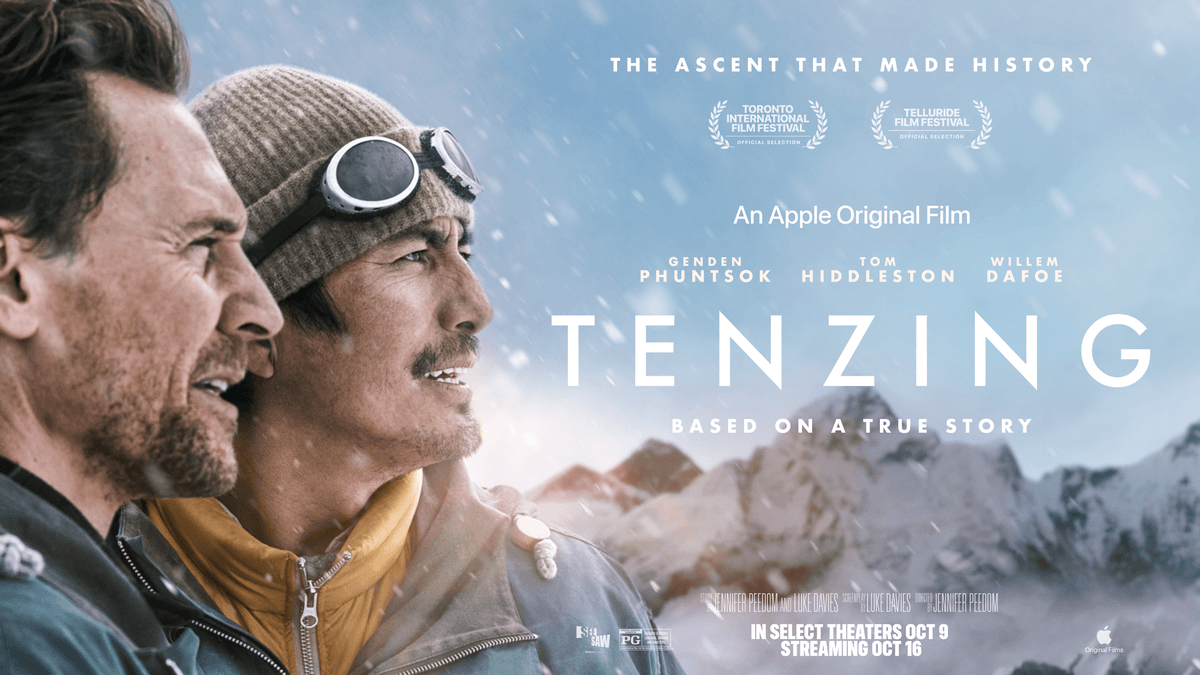
Tenzing: From a Quiz Question to a Lifelong Fascination