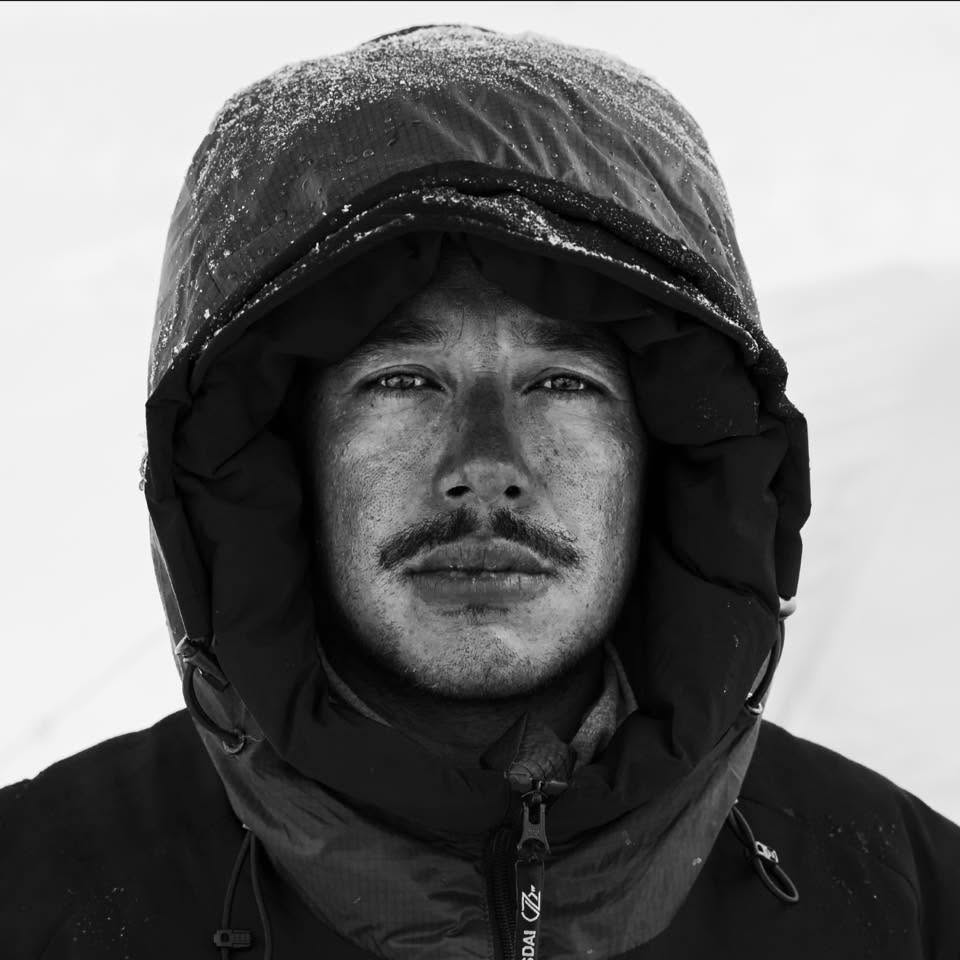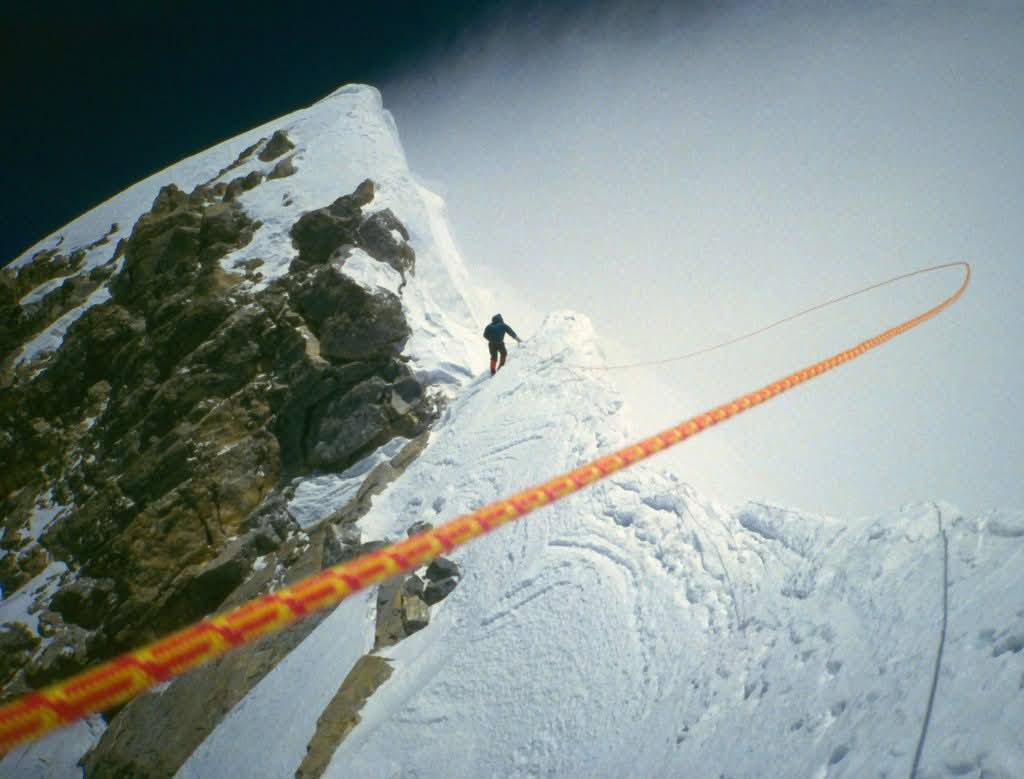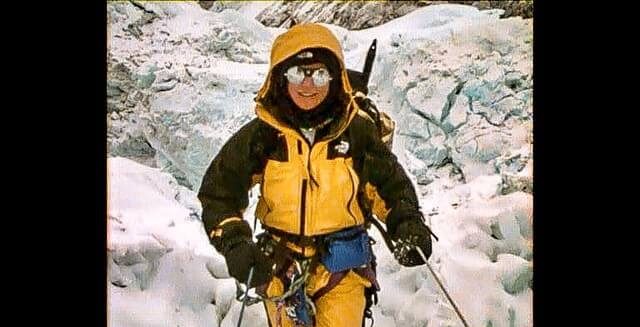

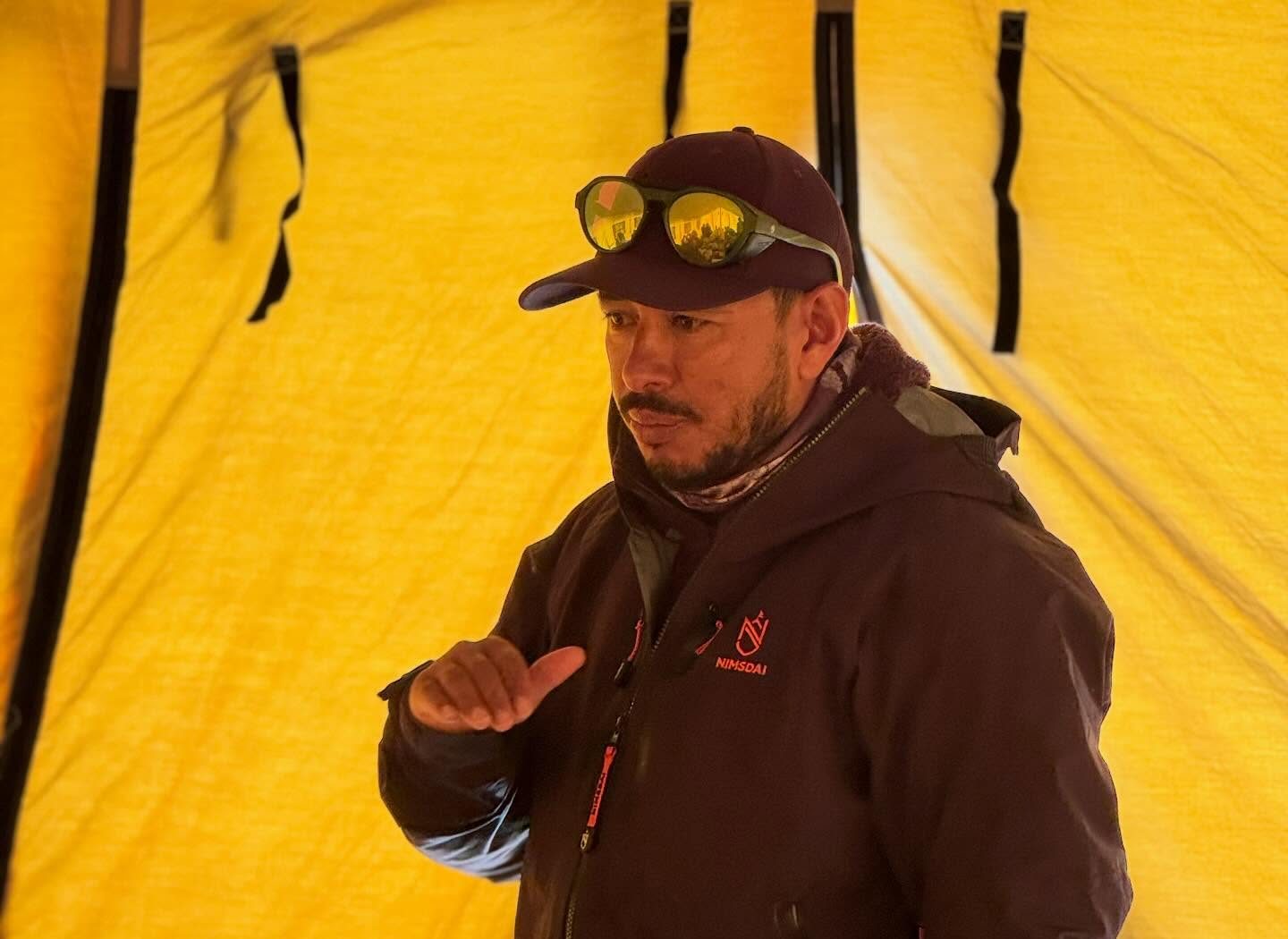

Before Nims, completing all 14 eight-thousanders was considered the work of many years. Jerzy Kukuczka completed them in 7 years, 11 months and 14 days, a benchmark later improved by Kim Chang-ho by just over a month. Kukuczka’s achievement represented a different era: across his career, he climbed 8,000-metre peaks by new routes ten times and completed four first winter ascents.
Then Nims came with a completely modern approach, speed, precise logistics, bottled oxygen, fixed ropes, helicopter transfers and, above all, a powerful team of Nepali climbers. In 2019, he completed Project Possible’s 14-peak sequence in just 6 months and 6 days. He climbed six eight-thousanders in Nepal within 31 days, all five of Pakistan’s eight-thousanders in 23 days, and Everest, Lhotse and Makalu within 48 hours and 30 minutes.
His style may always be debated. Mountaineering has always debated oxygen, support, speed, risk and purity. But his impact cannot be debated. Nims showed that several eight-thousanders could be climbed not over many years, but within a single month. Young climbers and ordinary dreamers began to believe that they, too, could attempt what once appeared impossible.
He also helped move Nepali climbers from the background of Himalayan stories to the centre of the world stage. In 2021, he stood with nine other Nepali climbers on the first winter ascent of K2, reaching the summit together while singing Nepal’s national anthem. Nims made that ascent without supplementary oxygen.
Records will eventually be broken. But a true trendsetter is remembered for changing what people believe can be done. Before Nims, fourteen eight-thousanders in less than a year sounded impossible. After Nims, a new generation began planning in months and weeks.
That is how far he moved the line.